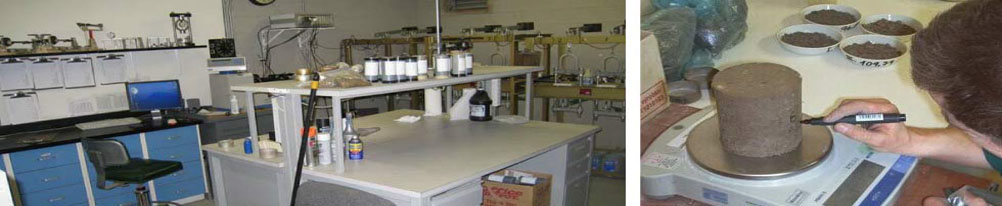
Soil testing services play a vital role in agriculture, construction, and land improvement by providing detailed information about soil quality. Comprehensive testing typically assesses physical, chemical, and biological parameters to help make informed decisions. Key parameters include pH, electrical conductivity ,texture,moisture content,organic matter, and cation exchange capacity . Nutrient analysis measures essential macronutrients such as nitrogen, phosphorus , and potassium , as well as secondary nutrients such as calcium, magnesium, and sulfur, and micronutrients such as zinc, iron, copper, manganese, boron, and molybdenum. Contaminant screening identifies heavy metals (lead, arsenic, cadmium, mercury), pesticide residues, hydrocarbons, salinity, and pathogens.
Soil texture, compaction, permeability, and bearing capacity are also assessed for construction purposes. Together, these evaluations help improve crop yields, ensure secure building foundations, and support sustainable land development by clearly identifying soil strengths, deficiencies, and necessary improvements.

Creative Analytical Lab & Consultant